PRESS STATEMENT
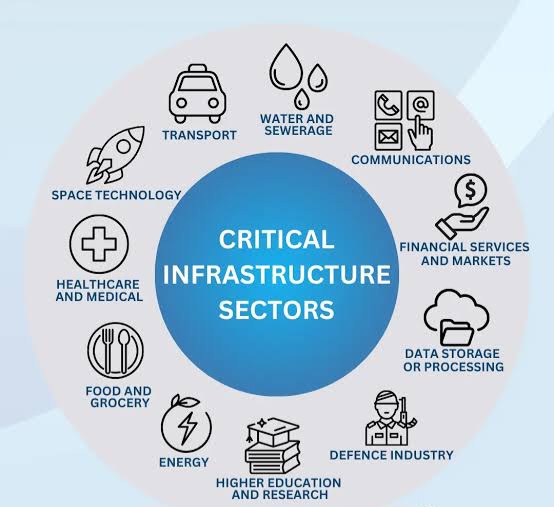
The Center for Consumer Concern and Awareness Initiative (CCCAI) acknowledges the grave and recurring challenge posed by the vandalism and sabotage of critical national infrastructure in Nigeria, particularly assets now designated as Critical National Information Infrastructure (CNII) under the CNII Order 2024.
There is no dispute that attacks on CNII disrupt businesses, inflate service costs, undermine investor confidence, weaken national security, and impose severe burdens on consumers. These acts threaten Nigeria’s digital economy, ease of doing business, and the quality of life of millions of citizens.
However, CCCAI strongly disagrees with the recent call by Mr. Bayo Onanuga advocating the death sentence for individuals involved in infrastructure vandalism. Otherwise, can we also call for death penalty for public office holders who drop the ball?
While the outrage over persistent sabotage is understandable, the adoption of capital punishment as a policy response is disproportionate, counterproductive, and inconsistent with modern governance, consumer protection, and human rights standards.
Our Position
First, deterrence is not achieved by extreme punishment alone. Evidence from multiple jurisdictions shows that certainty of detection, swift prosecution, and consistent enforcement are far more effective deterrents than the severity of penalties. Nigeria’s core challenge lies not in the absence of harsh laws, but in weak enforcement, intelligence gaps, and limited community ownership of infrastructure assets.
Second, infrastructure vandalism is often driven by economic desperation, unemployment, ignorance, and organised criminal networks. Executing low-level offenders will not dismantle the financiers, collaborators, and systemic failures that enable these crimes.
Third, framing infrastructure protection solely through a punitive lens ignores the consumer dimension of CNII disruption. Consumers suffer higher tariffs, poor service quality, and reduced access when infrastructure fails. The solution must therefore prioritise prevention, resilience, and accountability, not irreversible punishment.
A Better Path Forward
CCCAI advocates for a balanced, effective, and lawful approach, including:
- Robust enforcement of existing criminal laws with long custodial sentences where appropriate;
- Specialised CNII protection units and fast-track prosecution mechanisms;
- Public awareness campaigns linking infrastructure vandalism directly to consumer harm;
- Community-based protection and reporting frameworks;
- Stronger collaboration among regulators, service providers, civil society, and citizens through platforms such as the Trusted Information Sharing Network (TISN).
Conclusion
Protecting critical infrastructure is essential to Nigeria’s national security, economic growth, and consumer welfare. However, justice must be firm, not fatal. A society that responds to infrastructure sabotage with execution risks undermining the very rule of law and social trust it seeks to protect.
Nigeria can secure its infrastructure without sacrificing proportionality, human dignity, or good governance.
Signed:
Center for Consumer Concern and Awareness Initiative (CCCAI)